
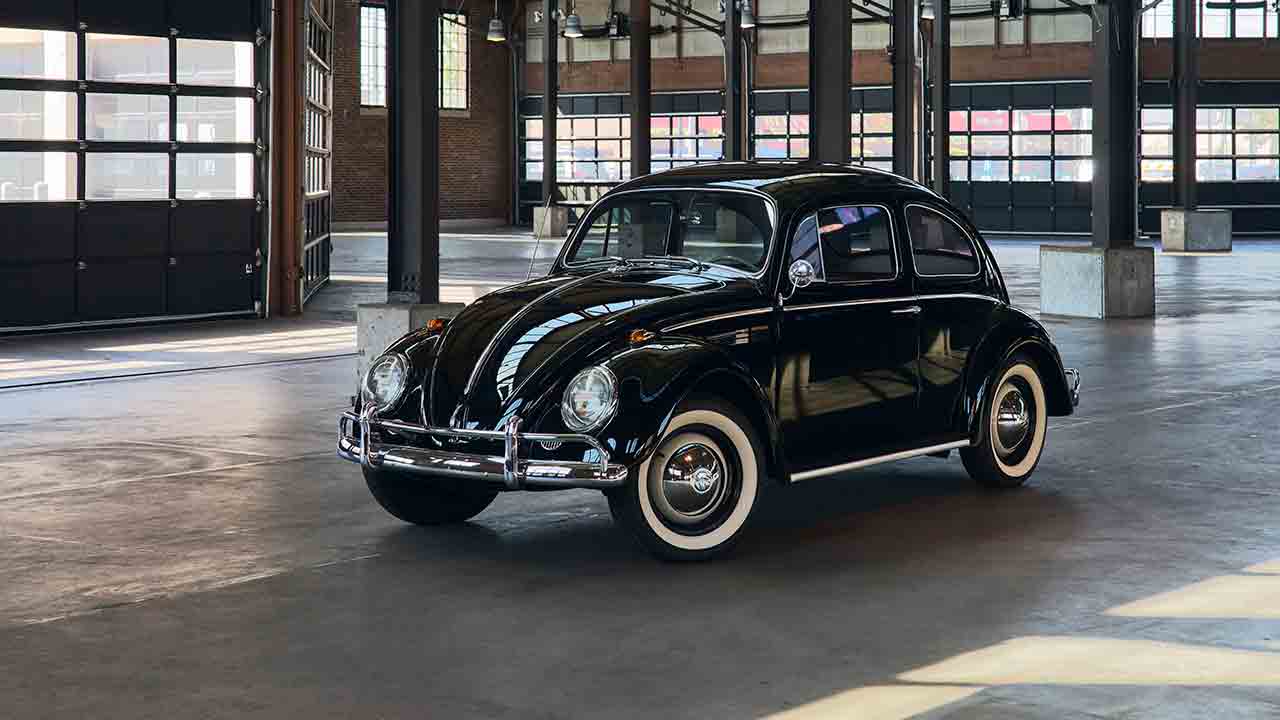
Volkswagen of America (VWoA) celebrates today, October 27, 2025, seven decades of history since its founding in 1955.
From humble beginnings importing the first Beetles to becoming a leader in design, advertising, and innovation, the German brand has become an icon of American automotive culture.
From the Arrival of the Beetle to National Success

+ Toyota Revamps the Classic Land Cruiser FJ60 with Twin-Turbo V6 at SEMA 2025
In 1949, Dutch businessman Ben Pon arrived in New York with two Volkswagen Type 1s — the future Beetles — in an attempt to introduce Americans to a compact, reliable, and affordable car. Just six years later, Volkswagen of America was founded, headquartered in Englewood Cliffs, New Jersey. By 1956, nearly 50,000 cars had already been sold, marking the beginning of a long success story.
“For 70 years, Volkswagen has demonstrated unwavering commitment to American drivers and the cars they love,” said Kjell Gruner, President and CEO of Volkswagen Group of America. “The VW family has grown from the first imported Beetles to serve families of all shapes and sizes, always remaining true to the brand’s original mission — to be the people’s car.”
Advertising Revolution and Cultural Rise

Under the visionary leadership of Carl Hahn, who became president of VWoA in 1959 at the age of 32, the brand took a bold new direction. The partnership with the Doyle Dane Bernbach agency produced the legendary “Think Small” campaign — a milestone in global advertising history. With humor and authenticity, it turned the Beetle into a pop icon and was later named by Ad Age as the most influential campaign of the 20th century.
The impact was immediate: within just two years, deliveries doubled to 167,000 vehicles, and by 1970, sales reached a historic record of 569,696 units. The Beetle and the Microbus became symbols of 1960s counterculture, immortalized on film and in the American collective imagination.
Models That Defined Generations
Over the decades, Volkswagen has introduced models that defined eras and lifestyles. The Beetle, with 21.5 million units produced worldwide, surpassed the Ford Model T in 1972, becoming the most-produced car on a single platform. The 1998 New Beetle revived nostalgia, while the 2025 electric ID. Buzz brought the spirit of the classic Microbus into the era of sustainable mobility — earning the title of North American Utility Vehicle of the Year.
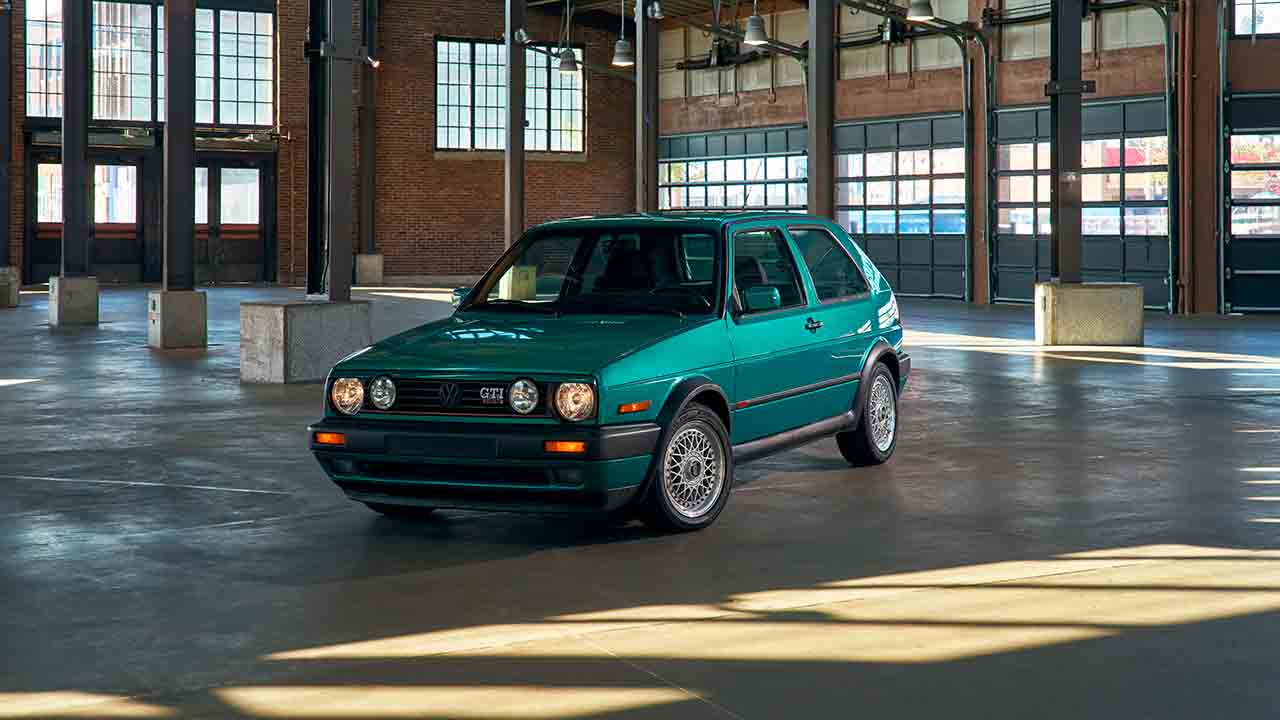
Another milestone was the Golf, launched in the U.S. in 1975 under the name Rabbit. Its sporty GTI version created the hot hatch concept, combining performance and practicality. The model was recognized by MotorTrend as Car of the Year three times: 1985, 2015, and 2026.
The Jetta, introduced in 1979, quickly became Volkswagen’s most popular model in the United States. Versatile and elegant, the sedan has evolved through seven generations and remains one of the brand’s cornerstones.
Industrial Presence and Electric Future
VWoA solidified its presence in the U.S. with its modern Chattanooga, Tennessee, factory, inaugurated in 2011. The facility represents more than $4.3 billion in investments and employs over 4,000 people, producing key vehicles such as the Atlas and ID.4.
Today, Volkswagen of America reaffirms its commitment to innovation and sustainability, investing in electric mobility and local manufacturing to continue shaping the future of the American automotive industry.
Source and images: Volkswagen of America. This content was created with the help of AI and reviewed by the editorial team.
